

Lymphatic Massage Gallery
$$MultiPurposeText$$
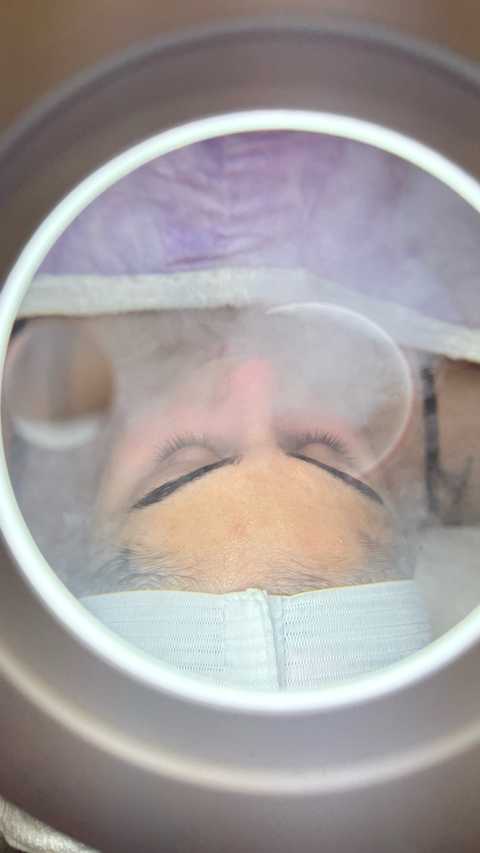
See examples of our Lymphatic Massage work and results.






What Our Clients Say
$$MultiPurposeText$$
Read testimonials from our satisfied customers

I had an excellent experience at true beauty esthetics from start to finish. The atmospher...more

A personalized service where the customer feels loved. Thank you for the affection

True Beauty is a hidden gem! I’ve had blackheads my whole life, and she somehow cleared ev...more

Amazing, ai loved her treatment. I did I facial clean, and my skin is another one.

(Translated by Google) I highly recommend True Beauty! The service is provided with great ...more

I went to True Beauty Esthetics here in , and I had such an amazing experience. Karine was...more

Frequently Asked Questions
Get answers to common questions about Lymphatic Massage.
Sessions typically last 45–60 minutes. You'll remain comfortably draped while the therapist uses light, rhythmic strokes to stimulate lymph flow. Expect gentle pressure, possible tingling or warmth, and immediate relaxation. Drink water afterward and avoid vigorous activity for several hours.
Yes, when approved by your surgeon or healthcare provider. Our therapists follow protocols for post-operative care, using gentle techniques to reduce swelling and bruising. Inform us about implants, scars, or complications; we’ll tailor treatment and avoid areas per medical guidance.
Frequency depends on goals: for acute swelling or recovery, 1–3 sessions weekly may be recommended initially. For maintenance, weekly to monthly sessions work well. Your therapist will assess progress and design a personalized schedule based on your health and results.
Yes. Avoid treatment with active infections, fever, untreated blood clots, unstable cardiovascular disease, or acute inflammation. Pregnant clients and cancer patients require medical clearance. Full health history and intake review ensure safety; we adapt or postpone treatments when contraindications exist.
Drink plenty of water before and after your session to support detox. Avoid heavy meals and alcohol beforehand. Wear loose, comfortable clothing and remove jewelry. Inform us of medications or recent procedures so we can tailor your treatment safely.
Lymphatic Massage can significantly reduce chronic swelling and assist lymphedema management when combined with compression therapy, exercise, and medical care. Results vary by severity; certified therapists work with your healthcare team to create a complete treatment plan and teach at-home techniques.