

Melasma Treatment Gallery
$$MultiPurposeText$$
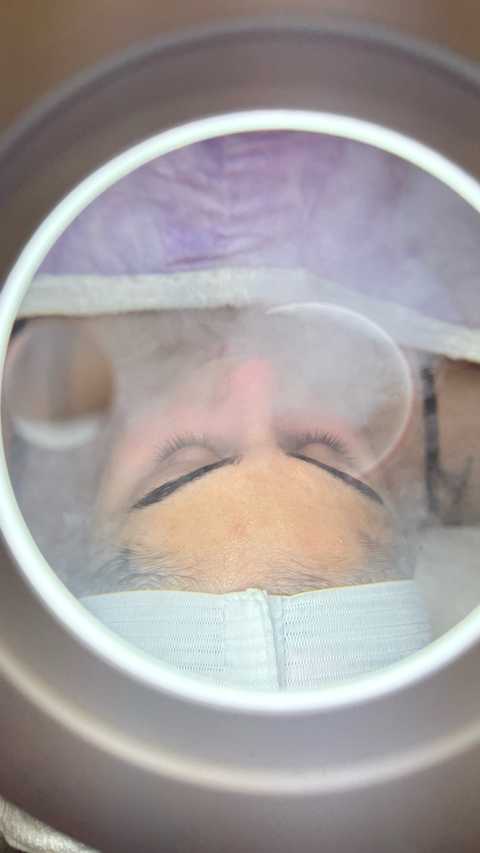
See examples of our Melasma Treatment work and results.






What Our Clients Say
$$MultiPurposeText$$
Read testimonials from our satisfied customers

True Beauty is a hidden gem! I’ve had blackheads my whole life, and she somehow cleared ev...more

Amazing, ai loved her treatment. I did I facial clean, and my skin is another one.

⭐️⭐️⭐️⭐️⭐️
I had an amazing experience at True Beauty Esthetics! I went in for a facial tr...more

I did a facial with Karina it was amazing. loved it so much 🩷

I had a facial cleansing and microdermabrasion with Karina last month, and it was such a w...more

Great experience with Adna! She did a detailed skin analysis and tailored the facial to m...more

Frequently Asked Questions
Get answers to common questions about Melasma Treatment.
We begin with a detailed skin assessment and review internal factors like hormones and medications, plus external triggers. Then we customize topical treatments, in-clinic therapies and home care to improve tone and reduce pigmentation over time.
Session count varies by severity and skin type; many clients see meaningful improvement after four to eight sessions spaced weeks apart, combined with prescribed home care and strict sun protection to maximize and maintain results.
Most treatments cause minimal discomfort; clients may feel light tingling or warmth. Some procedures use topical numbing. Expect mild redness or sensitivity for a day or two, but usually no significant downtime.
Yes. With an initial consultation we safely coordinate peels, lasers, or microneedling alongside melasma protocols. Timing and intensity are adjusted to avoid irritation and ensure complementary results without compromising skin stability.
Melasma can be chronic and may return without ongoing care. Our goal is durable improvement through treatments, maintenance, strict sun avoidance, topical maintenance, and addressing hormonal or medication contributors to reduce recurrence risk.
Good candidates are adults seeking targeted melasma care who can commit to sun protection and follow-up. We evaluate pregnancy, hormonal treatments, and medical history to tailor safe, effective options or recommend medical referral if needed.