

Ultrasound Gallery
$$MultiPurposeText$$
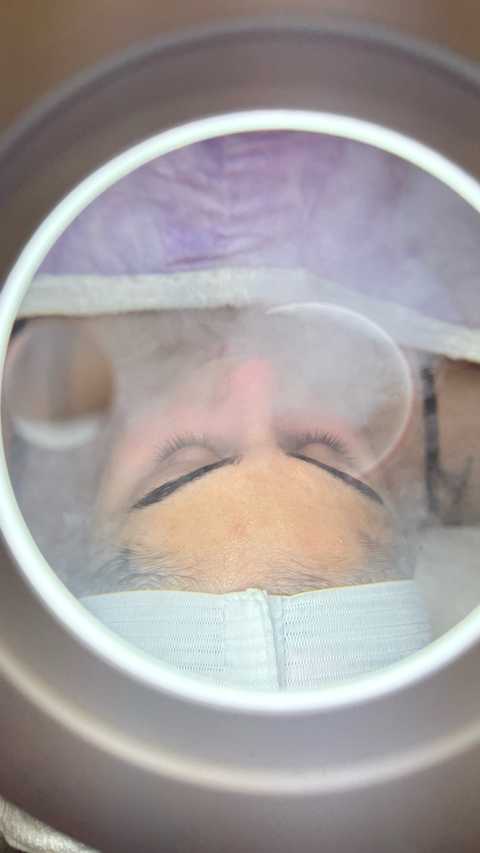
See examples of our Ultrasound work and results.






What Our Clients Say
$$MultiPurposeText$$
Read testimonials from our satisfied customers

Had my second micro needling appointment the other day and I am so happy with the experien...more

...more
Frequently Asked Questions
Get answers to common questions about Ultrasound.
Ultrasound uses focused sound waves to create microcavitation in fat cells, breaking their membranes. Liquefied fat is metabolized and removed naturally by the lymphatic system over weeks, resulting in gradual contouring without damaging surrounding tissues.
Treatment plans vary by area and goals, but most clients need three to six sessions spaced one to two weeks apart. Your technician will assess fat thickness and recommend a personalized schedule to achieve smooth, lasting contour improvements.
Most clients experience mild warmth, tingling, or gentle vibration, but procedures are generally well tolerated. Technicians adjust intensity for comfort; any brief soreness afterwards is similar to mild muscle ache and typically resolves within a few days.
Ultrasound is low-risk when performed by trained professionals. Temporary redness, swelling, bruising, or slight numbness can occur but usually subside within days. Serious complications are rare; a consultation screens medical history and contraindications beforehand.
Candidates are adults near their target weight with localized stubborn fat resistant to diet and exercise. It's not a weight-loss solution for obesity. A consultation evaluates skin elasticity, medical history, and goals to determine suitability and expected outcomes.
Some improvement appears within a few weeks as the body processes disrupted fat, with more noticeable contouring after multiple sessions. Final results often take eight to twelve weeks, depending on treatment area, metabolism, and adherence to healthy habits.